_edited.png)


Comprehensive Eye Exams for All Ages in Nebraska

Updated: Sep 15, 2025
When was the last time you had your eyes checked? For many, it can be easy to overlook eye health, especially when everything seems fine. However, regular eye exams are crucial for everyone, regardless of age. In Nebraska, comprehensive eye exams are essential for maintaining good vision and overall health. This post will explore the importance of eye exams for all ages, what to expect during an exam, and how to find the right eye care provider.
Why Eye Exams Matter
Eye exams are not just about getting a new pair of glasses or contacts. They play a vital role in detecting various health issues. Many eye conditions develop without noticeable symptoms. Regular exams can help catch these problems early, leading to better outcomes.
Common Eye Conditions
Some common eye conditions that can be detected during an exam include:
Glaucoma: A condition that can lead to vision loss if not treated.
Cataracts: Clouding of the lens in the eye, often related to aging.
Macular Degeneration: A leading cause of vision loss in older adults.
Diabetic Retinopathy: Damage to the retina caused by diabetes.
By identifying these conditions early, you can take steps to manage them effectively.
Eye Exams for Children
Children's eyes are still developing, making regular eye exams even more critical. The American Optometric Association recommends that children have their first eye exam at six months of age, followed by additional exams at age three and before starting school.
Signs Your Child May Need an Eye Exam
Look for these signs that your child may need an eye exam:
Squinting or tilting their head to see better.
Complaining of headaches or eye strain.
Difficulty reading or seeing the board in school.
Early detection of vision problems can significantly impact a child's learning and development.
Eye Exams for Adults
As we age, our eyes undergo changes that can affect vision. Adults should have comprehensive eye exams every one to two years, depending on their age and health status.
What to Expect During an Adult Eye Exam
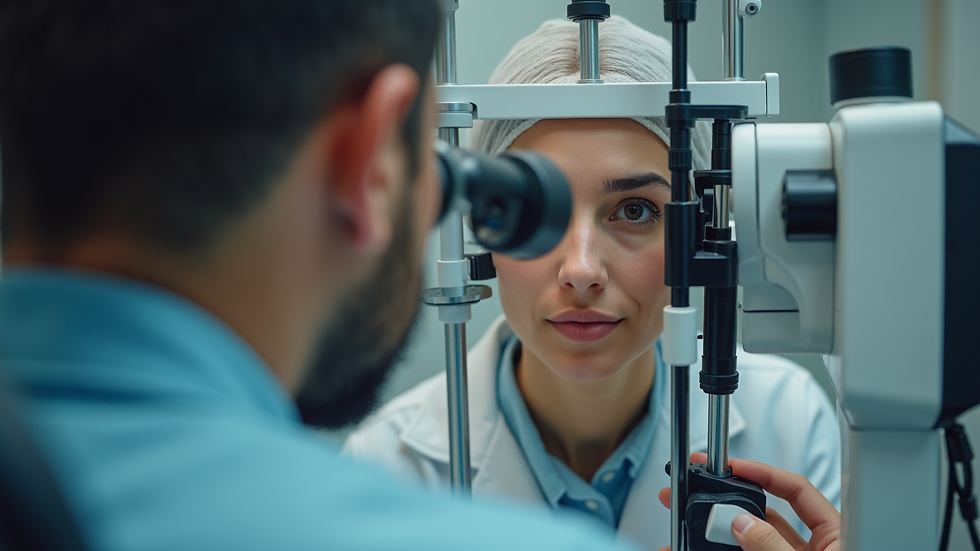
During an adult eye exam, you can expect the following:
Medical History Review: Your eye doctor will ask about your health history and any vision problems.
Visual Acuity Test: This test measures how well you see at different distances.
Refraction Assessment: This determines your exact prescription for glasses or contacts.
Eye Health Evaluation: The doctor will check for signs of eye diseases and overall eye health.
Pupil Response Test: This assesses how your pupils respond to light.
These tests help ensure that your eyes are healthy and that you have the correct prescription for your vision needs.
Eye Exams for Seniors
Seniors are at a higher risk for eye diseases. Regular eye exams are crucial for maintaining vision and overall health. The National Eye Institute recommends that seniors have eye exams at least once a year.
Common Eye Issues in Seniors
Some common eye issues that seniors may face include:
Cataracts: As mentioned earlier, cataracts are common in older adults.
Glaucoma: This condition can develop without symptoms, making regular exams essential.
Age-Related Macular Degeneration: This can affect central vision and is a leading cause of vision loss.
By staying proactive about eye health, seniors can maintain their quality of life and independence.
Finding the Right Eye Care Provider
Choosing the right eye care provider is essential for receiving quality care. Here are some tips for finding a provider in Nebraska:
Ask for Recommendations: Talk to friends, family, or your primary care doctor for suggestions.
Check Credentials: Ensure the provider is licensed and has the necessary qualifications.
Read Reviews: Look for online reviews to gauge patient satisfaction.
Consider Location and Hours: Choose a provider that is convenient for you.
Taking the time to find the right eye care provider can make a significant difference in your eye health journey.
The Role of Technology in Eye Exams
Advancements in technology have improved the way eye exams are conducted. Many eye care providers now use digital imaging and advanced diagnostic tools to assess eye health more accurately.
Benefits of Modern Technology
Early Detection: Advanced imaging can help detect conditions earlier than traditional methods.
More Accurate Diagnoses: Technology allows for more precise measurements and assessments.
Enhanced Patient Experience: Many modern tools are less invasive and more comfortable for patients.
Staying informed about these advancements can help you understand the importance of regular eye exams.
Eye Care Tips for All Ages
In addition to regular eye exams, there are several ways to maintain good eye health:
Eat a Healthy Diet: Foods rich in vitamins A, C, and E, as well as omega-3 fatty acids, can support eye health.
Wear Sunglasses: Protect your eyes from harmful UV rays when outdoors.
Limit Screen Time: Take breaks from screens to reduce eye strain.
Stay Hydrated: Drinking enough water can help keep your eyes moist.
Incorporating these habits into your daily routine can help protect your vision.
The Importance of Family Eye Health
Eye health is a family affair. Encourage family members of all ages to prioritize their eye health. Schedule regular eye exams together and discuss any concerns about vision.
Creating a Family Eye Care Plan
Consider creating a family eye care plan that includes:
Setting reminders for regular eye exams.
Discussing any family history of eye conditions.
Sharing tips for maintaining eye health.
By working together, families can support each other in maintaining good vision.
Final Thoughts on Eye Health
Taking care of your eyes is essential for a healthy life. Comprehensive eye exams are vital for everyone, from infants to seniors. By prioritizing eye health, you can catch potential issues early and maintain your vision for years to come.
Remember, your eyes are your window to the world. Make sure they are well taken care of. Schedule your next eye exam today and encourage your loved ones to do the same.
Your vision is worth it.



Comments